
Best Polo Shirt Fabrics for Warm Climates
Last Updated: November 24, 2026
Quick Summary
The best polo shirt fabrics for warm climates are lightweight cotton piqué for dry heat and moisture-wicking polyester blends for humidity and sweat. Cotton piqué breathes well but dries slowly, while polyester moves sweat away and dries fast. For hot, sticky weather, look for a mesh or piqué knit in the 4.5 to 5.5 oz range.
- Cotton piqué wins in dry heat because its raised texture lifts fabric off the skin for airflow.
- Polyester pulls sweat to the surface and dries fast, but low-quality versions can trap odor.
- For warm, humid conditions, 4.5 to 5.5 oz is the practical fabric weight middle ground.
- Side vents, a no-curl collar, and a relaxed fit all help air circulate in humidity.
- Skip fabric softener, which coats wicking fibers and blocks the capillary channels.
Which polo fabric suits your summer?Shop American-made bamboo performance polos built for warm-weather comfort.
Shop the Bamboo Polo
Table of Contents
- How Fabric Choice Decides Comfort in Warm Climates
- Cotton vs Polyester Polo Shirts: The Core Trade-Off
- Moisture-Wicking Polo Shirts: What the Label Actually Means
- Polo Shirts for Humid Weather: Construction Beats Fiber
- UPF Polo Shirts for Sun Protection: What Fabric Can and Cannot Do
- Care, Odor, and How Long Each Fabric Lasts
- Matching Fabric to Your Climate and Daily Routine
- Choosing Your Warm-Weather Polo
- Frequently Asked Questions
How Fabric Choice Decides Comfort in Warm Climates
The best polo shirt fabrics for warm climates are lightweight cotton piqué and moisture-wicking polyester blends, each suited to different conditions. Fiber content, knit structure, and weight control how air moves and how sweat evaporates.
Cotton breathes and feels soft against skin, but it holds moisture. Polyester moves sweat away and dries fast, but cheap versions can trap odor.
Cotton vs Polyester Polo Shirts: The Core Trade-Off
The cotton vs polyester polo shirts debate comes down to one question: softness and breathability, or fast drying and stretch?
Cotton piqué is a knit with a raised, waffle-like texture. That texture lifts fabric off the skin, which lets air pass through.
Polyester is a synthetic fiber that pulls sweat to the surface, where it evaporates. It dries quickly and resists wrinkling.
| Fabric | Breathability | Moisture-Wicking | Drying Speed | Best For |
|---|---|---|---|---|
| Cotton piqué | High | Low | Slow | Dry heat, office wear |
| Pima cotton | High | Low | Slow | Softness, everyday comfort |
| Polyester-spandex | Medium | High | Fast | Active use, humidity |
| Cotton-poly blend | Medium | Medium | Medium | All-around wear |
| Bamboo viscose blend | Medium | High | Medium | Travel, odor control |
Where Cotton Piqué Wins
Cotton piqué wins in dry heat and low-sweat settings. The textured knit keeps fabric off your skin, so airflow does the cooling.
Pima cotton raises the bar. For a reader sold on cotton, the cotton stretch piqué polo shows what a well-built cotton option looks like.
The honest limitation: cotton soaks up sweat and dries slowly. In high humidity, a soaked cotton polo stays damp against your back.
Where Polyester Pulls Ahead
Polyester pulls ahead the moment you start sweating. It moves moisture off your skin and dries fast, which keeps you cooler during activity.
For readers weighing fiber options, the bamboo performance polo sits between the two camps. Its 46/54 bamboo charcoal viscose and polyester mesh wicks moisture naturally while keeping a soft interior.
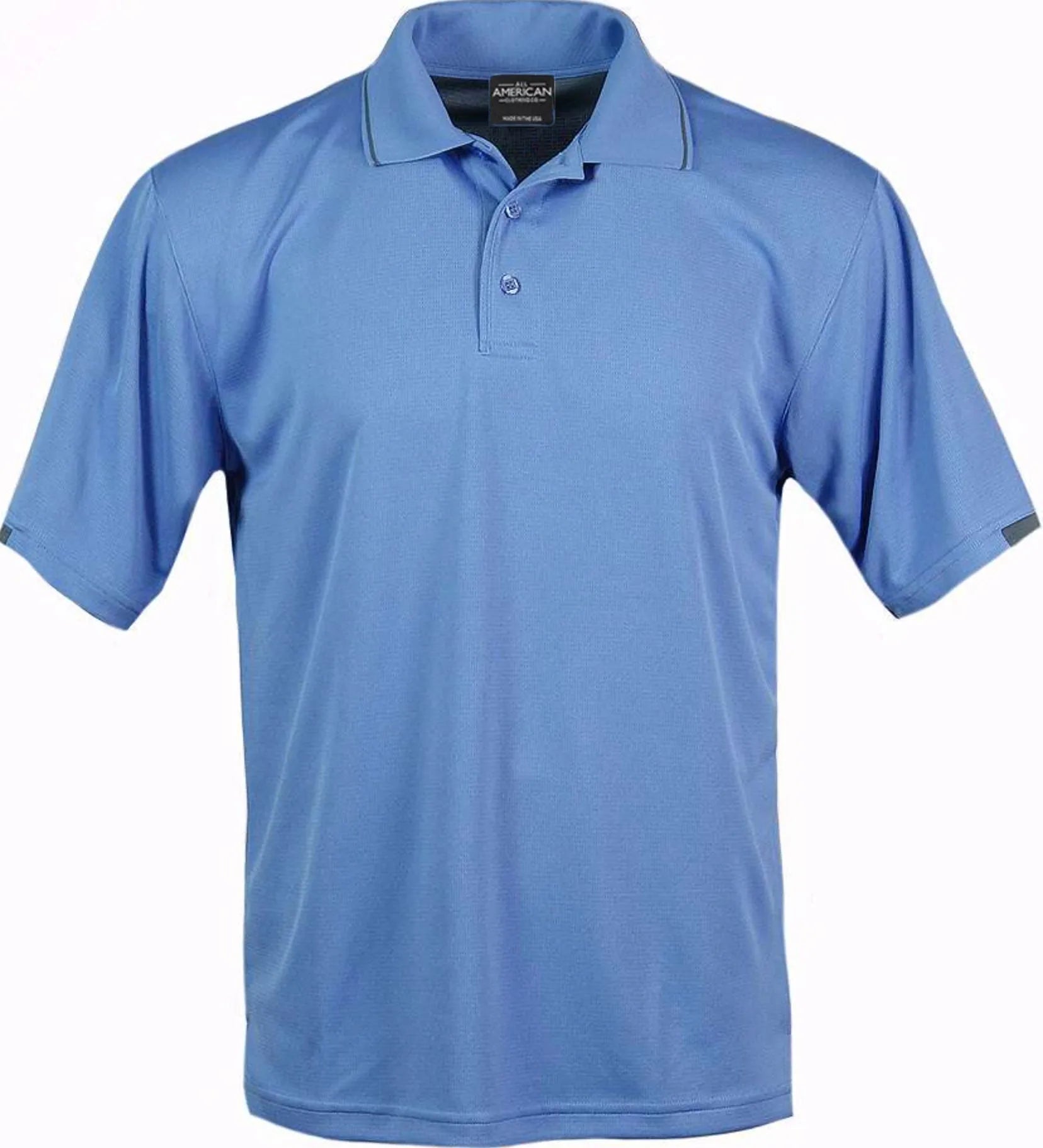
Watch out: low-quality polyester traps body odor because it holds oils. Look for mesh construction and wash it promptly.
Moisture-Wicking Polo Shirts: What the Label Actually Means
A moisture-wicking polo shirt is knit to pull sweat away from skin and spread it across the fabric surface so it evaporates faster. The label does not promise the shirt will feel cool, only that it moves moisture. Two shirts can carry the same claim and perform very differently.
The Three-Part Mechanism
Wicking is not a single property. It is three things working together:
- Fiber chemistry. Polyester is hydrophobic, so sweat travels along the surface instead of soaking in. Cotton is hydrophilic and absorbs moisture into the fiber, which is why it holds dampness. Bamboo viscose absorbs some moisture but releases it faster than cotton.
- Capillary action. The knit creates tiny channels between fibers. Narrow, continuous channels move liquid faster than wide, broken ones, which is why a fine-gauge knit can outperform a thicker one with identical fiber content.
- Surface area for evaporation. An open mesh exposes more surface than a tight jersey knit, so it dries faster in still air.
If any one of those three is weak, the shirt underperforms. A polyester jersey with a tight, flat knit moves sweat off the skin but dries slowly because the moisture has nowhere to spread.
How to Compare Two Wicking Polos Without a Lab
You cannot verify a wicking claim from the hangtag, but you can compare construction details that predict performance:
- Knit structure. Hold the fabric up to light. Pinholes of light through a mesh or birdseye knit mean air and moisture have a path. A solid jersey knit feels smoother but dries slower.
- Fabric weight. Lighter fabric dries faster but clings when saturated. For warm, humid conditions, 4.5 to 5.5 oz is the practical middle.
- Fiber blend ratio. A 96/4 poly-spandex blend moves moisture well and adds stretch. A 60/40 cotton-poly blend wicks less but feels softer. The higher the polyester share, the faster the dry, and the more likely the shirt is to hold odor if washed carelessly.
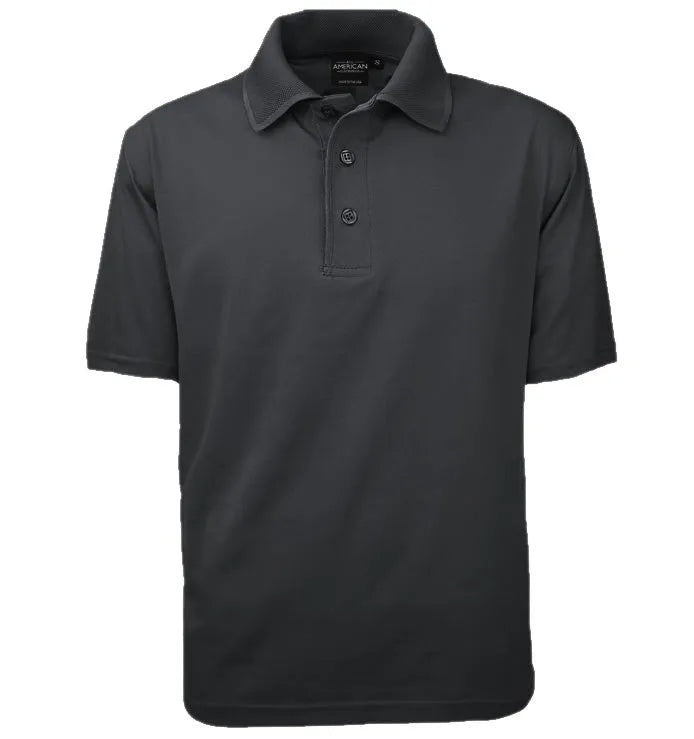
The dry-wicking polo is a working example. It uses a 96/4 poly-spandex blend built to move sweat and dry quickly, which is why it suits warm days and active work.
What Wicking Does Not Do
A common mistake is expecting wicking fabric to feel like cotton. It feels smoother and slightly cooler to the touch, but it lacks cotton's softness.
Wicking also does not eliminate sweat. In high humidity, evaporation slows no matter how good the fabric is.
Watch out: a shirt labeled moisture-wicking with a tight, heavy knit and no mesh structure may feel clammy in humidity.
Polo Shirts for Humid Weather: Construction Beats Fiber
Polo shirts for humid weather live or die on construction, not fiber alone. Humidity slows evaporation, so a shirt needs airflow built in. Two polos with the same fiber content can perform very differently depending on knit and details.
The man is American.
Knit Structure and Fabric Weight
Knit structure controls airflow. Piqué knits have a raised texture that lifts fabric off the skin. Mesh knits have open holes that let air pass straight through. Both beat a tight, flat knit in humidity.
Fabric weight matters too. A 4.7 oz mesh breathes more than a 5.75 oz piqué. Lighter is cooler, but very light fabric can cling when wet.
Side Vents, Collars, and Airflow Details
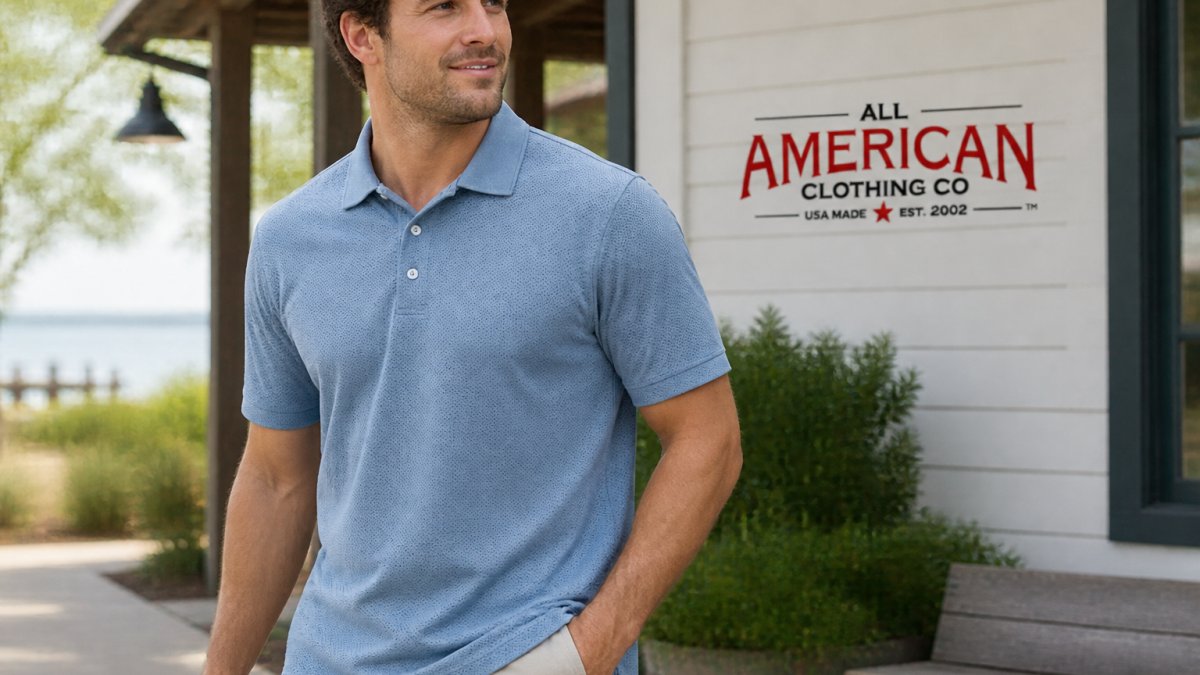
Small details move a lot of air. Side vents let heat escape at the waist. A no-curl collar keeps its shape so the neckline stays open. A relaxed fit leaves room for air to circulate instead of sealing fabric to your back.
What most guides miss is that fit is a cooling feature. A tight polo traps heat no matter how good the fabric is.
UPF Polo Shirts for Sun Protection: What Fabric Can and Cannot Do
UPF polo shirts for sun protection reduce how much ultraviolet radiation reaches your skin, but the rating depends on fabric density, color, and stretch.
Here is the limit. UPF ratings apply to the fabric as new and unstretched.
Fabric cannot replace sunscreen on exposed skin. A polo covers the torso and shoulders, not the neck, face, or arms.
Care, Odor, and How Long Each Fabric Lasts
Care and odor control separate fabrics over time. Cotton handles odor well because it releases sweat in the wash, but it can shrink and fade with heat. Polyester resists wrinkles and holds color, yet it traps oils that cause odor if not washed promptly.
A few habits extend any polo's life:
- Wash cold with like colors
- Skip fabric softener, which coats wicking fibers and reduces performance
- Air dry when you can
- Wash performance polos after every wear
Durability favors construction over fiber. Reinforced stitching, a collar that holds shape, and fabric that resists snagging outlast a fancy fiber blend with weak seams.
Matching Fabric to Your Climate and Daily Routine
The right fabric depends on where you live and what your day looks like. Dry heat and humid heat call for different fabrics, and the same shirt can feel right in one and wrong in the other.
Dry Heat Versus Humid Heat
Dry heat (low humidity, high sun) is where cotton earns its place.
Humid heat (high humidity, still air) is where cotton struggles. Evaporation is already slow, so a soaked cotton polo stays damp against your back.
A simple test: if your shirt is still damp an hour after you stop sweating, the fabric is wrong for that climate.
Sun Exposure Changes the Answer
Direct sun adds a variable most guides ignore. A dark, tightly woven fabric blocks more UV but absorbs more heat. A light, open mesh breathes better but offers less sun protection.
Fabric cannot replace sunscreen on exposed skin. A polo covers the torso and shoulders, not the neck, face, or arms. Treat sun protection as a layer, not a guarantee.
Activity Level and Sweat Rate
A desk job and a job site call for different answers, even in the same climate.
- Low-sweat, indoor or shaded: cotton piqué or Pima cotton for softness and breathability.
- Moderate activity, mixed conditions: a cotton-poly blend balances feel and drying speed.
- High-sweat, outdoor work or sport: polyester-spandex with a mesh or birdseye knit. Stretch matters for mobility, and fast drying matters more than softness.
- Travel and packing: wrinkle-resistant blends that dry overnight.
A Practical Decision Order
When you are standing in front of two polos and cannot decide, work through this order:
- Climate first. Humid or dry? That alone eliminates half the options.
- Activity second. How much will you sweat? That decides whether wicking is essential or optional.
- Sun third. Hours in direct sun may push you toward a tighter weave and darker color.
- Feel last. Once the first three are settled, pick the fabric that feels best against your skin.
To browse the full range, the women's polo collection covers options for a range of routines.
Choosing Your Warm-Weather Polo
Start with the climate, then the activity, then the fabric.
Check the details before you buy:
- Fabric weight under 5.5 oz for hot weather
- Mesh or piqué knit for airflow
- Side vents for heat release
- Relaxed or classic fit for air circulation
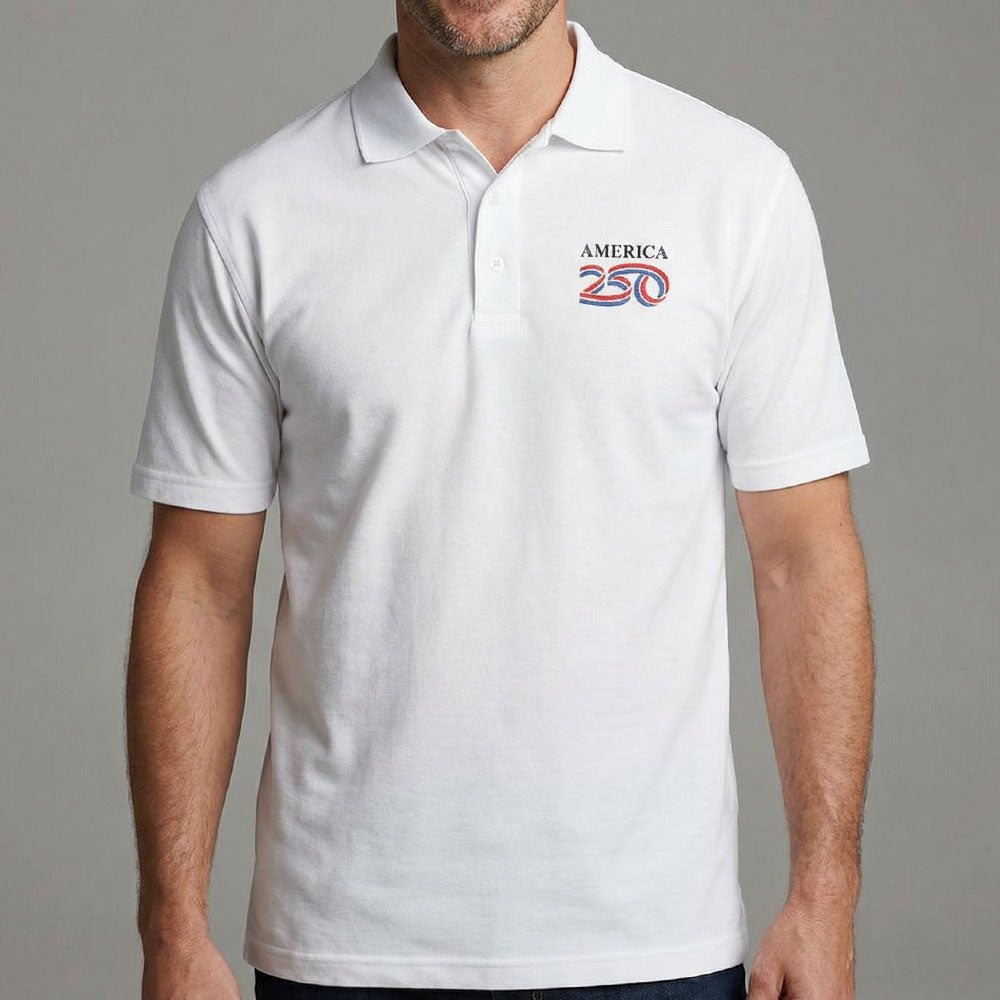
For a reader ready to buy, the America250 cotton stretch short-sleeve polo is built for warm-weather wear with a fit that moves.
At All American Clothing, our polos are made in the USA with USA and imported material, so you know where your shirt comes from.
The hardest part of buying warm-weather clothing is trusting that it will hold up after a season of heat and sweat.
Frequently Asked Questions
What fabric is best for polo shirts in hot weather?
There is no single best fabric. For dry heat and low activity, cotton piqué feels soft and breathes well. For humid conditions or physical work, a moisture-wicking polyester or polyester-spandex blend moves sweat away from the skin and dries faster. Many people keep both on hand: cotton for the office and a performance polo shirt for outdoor activity. Fabric weight matters too. A lighter knit, around 4.7 to 5.4 oz, feels cooler than a heavy piqué.
Are cotton polo shirts good for warm climates?
Cotton polo shirts work well in warm, dry climates and for low-sweat settings like office wear. Cotton piqué is breathable and soft against the skin. The limitation is moisture: cotton holds sweat and dries slowly, so it can feel heavy and clingy in high humidity or during physical activity. If you run hot or work outdoors, a cotton-polyester blend or a performance fabric will usually feel more comfortable through the day.
Is polyester or cotton better for a summer polo?
It depends on how you will wear it. Polyester and polyester-spandex blends wick moisture, dry quickly, and resist wrinkling, which makes them better for humid weather, golf, and outdoor work. Cotton feels softer and breathes naturally but holds moisture. A cotton vs polyester polo shirts comparison usually comes down to this trade-off. Look for a breathable knit and a fabric weight under about 5.5 oz if you choose polyester.
Do moisture-wicking polo shirts keep you cooler?
Moisture-wicking polo shirts move sweat to the fabric surface, where it evaporates faster than it would in cotton. That evaporation helps regulate temperature, especially in humid weather when sweat does not evaporate on its own. The effect depends on airflow through the knit and on fabric weight. A lightweight wicking polo with side vents will feel cooler than a heavy one. Wicking does not replace shade, hydration, or sun protection.
